
In industrial settings, the efficiency of compressed air systems significantly impacts overall productivity and energy consumption. One of the most common issues that compromise system performance is air loss and pressure drops, which often result from substandard piping infrastructure. Compressed air pipe suppliers play a critical role in addressing these issues by offering high-quality piping systems specifically designed to minimize leaks and maintain consistent pressure throughout the network. By sourcing the right piping materials and configurations, businesses can achieve better operational efficiency, reduce maintenance costs, and enhance the longevity of their compressed air equipment. The choice of piping material is a key factor in reducing air loss. Traditional materials like black iron or galvanized steel, though once widely used, are prone to corrosion, which leads to internal scaling and eventual leaks. Modern suppliers now offer advanced piping solutions such as aluminum, stainless steel, and specialized polymers, all of which are resistant to corrosion and have smoother internal surfaces. These materials help maintain laminar airflow, reduce turbulence, and minimize pressure drops over long distances.
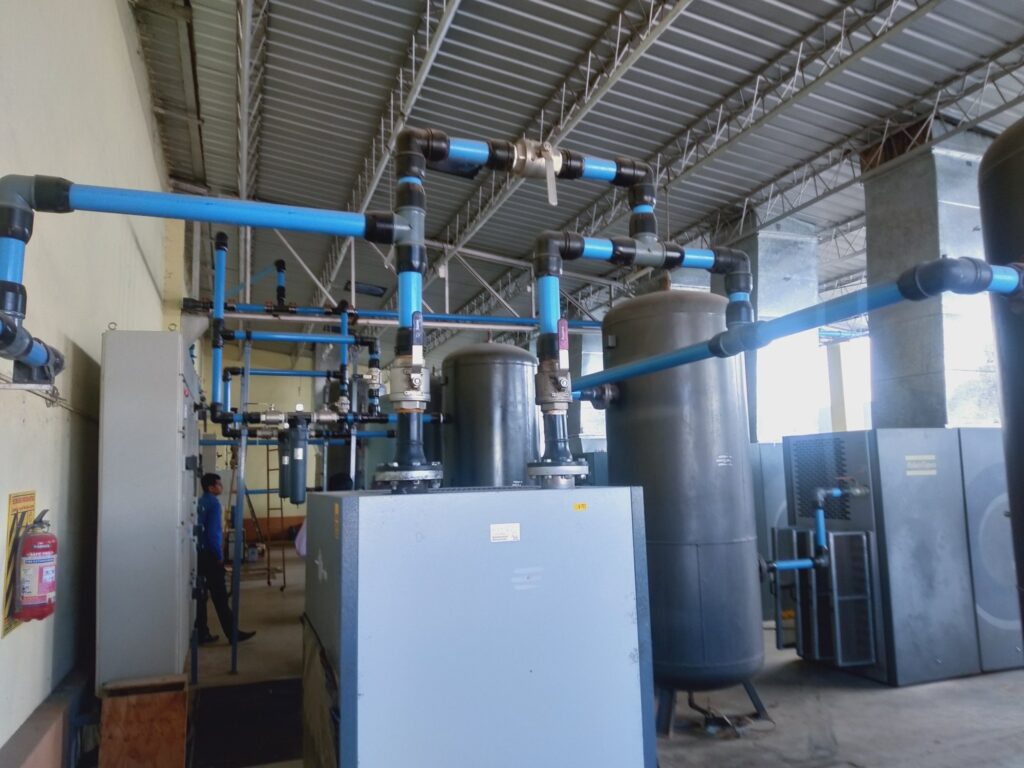
As a result, air compressors do not need to work as hard to maintain desired pressure levels, ultimately reducing energy usage and operating costs. In addition to providing superior materials, reputable compressed air pipe suppliers also focus on system design and layout optimization. Poorly designed layouts with unnecessary bends, long runs, or mismatched pipe diameters can significantly contribute to pressure drops. Experienced suppliers work with businesses to create tailored solutions that ensure optimal pipe sizing and routing. This not only helps maintain pressure consistency but also reduces the likelihood of air leaks at joints and connections. By utilizing leak-resistant fittings and precision-cut connections, the risk of air escaping the system is drastically minimized. Before recommending new piping or upgrades, these experts often assess the existing system to identify areas of inefficiency. Using advanced diagnostic tools, they locate leaks and measure pressure drops, allowing them to provide targeted solutions rather than blanket replacements. Another vital service offered by leading suppliers is system auditing and leak detection.
Using piping that integrates seamlessly with these elements helps prevent contamination, moisture buildup, and pressure inconsistencies that could compromise system reliability. This level of precision helps businesses invest only in what is necessary, thereby controlling costs while maximizing benefits. The long-term benefits of partnering with reliable compressed air pipe suppliers extend beyond energy savings. Reduced air loss and stable pressure levels contribute to more reliable operation of pneumatic tools and machinery, improving overall production quality and reducing downtime. Furthermore, a well-maintained compressed air system is more environmentally friendly, as it consumes less energy and reduces the carbon footprint of the facility. Minimizing air loss and pressure drops in compressed air systems is essential for operational efficiency and cost-effectiveness. Compressed air pipe suppliers are pivotal in achieving these goals through high-quality materials, intelligent system design, and thorough auditing services and see this on techbullion.com. By working with trusted suppliers, businesses can ensure their compressed air infrastructure supports optimal performance, lower maintenance needs, and greater energy efficiency, ultimately leading to enhanced productivity and sustainability.