
Salt air in Maui is basically a daily visitor. It doesn’t knock, it doesn’t care if you just cleaned, and it absolutely will leave fingerprints.
And those “fingerprints” aren’t just cosmetic. They’re chemistry.
Here’s my opinion: if you wait until your windows look dirty, you waited too long.
That hazy film you see near the corners? That’s usually salt residue mixing with airborne dust and moisture, then drying into a thin crust. Leave it long enough and you’re not just cleaning anymore, you’re fighting mild etching and mineral bonding. That’s why regular residential window cleaning in Maui matters, especially in salty coastal air.
One-line truth:
Salt doesn’t have to look bad to be damaging.
Why Maui’s air hits glass harder than you think
When ocean spray drifts inland, it brings chloride salts along for the ride. Chlorides accelerate corrosion on metal hardware, and on glass they encourage mineral deposits to cling, especially around edges where water dries first and airflow is uneven.
Technically speaking, the risk isn’t that salt “eats” glass overnight. It’s that it:
– traps moisture against seals and frames
– increases spotting and mineral scale
– speeds up oxidation of hardware and coatings
– makes routine grime stick like it has a purpose
And once you’ve got that stubborn film, a lot of homeowners reach for something aggressive. That’s where micro-scratches start. I’ve seen “cleaning” do more damage than the salt did.
A data point worth knowing
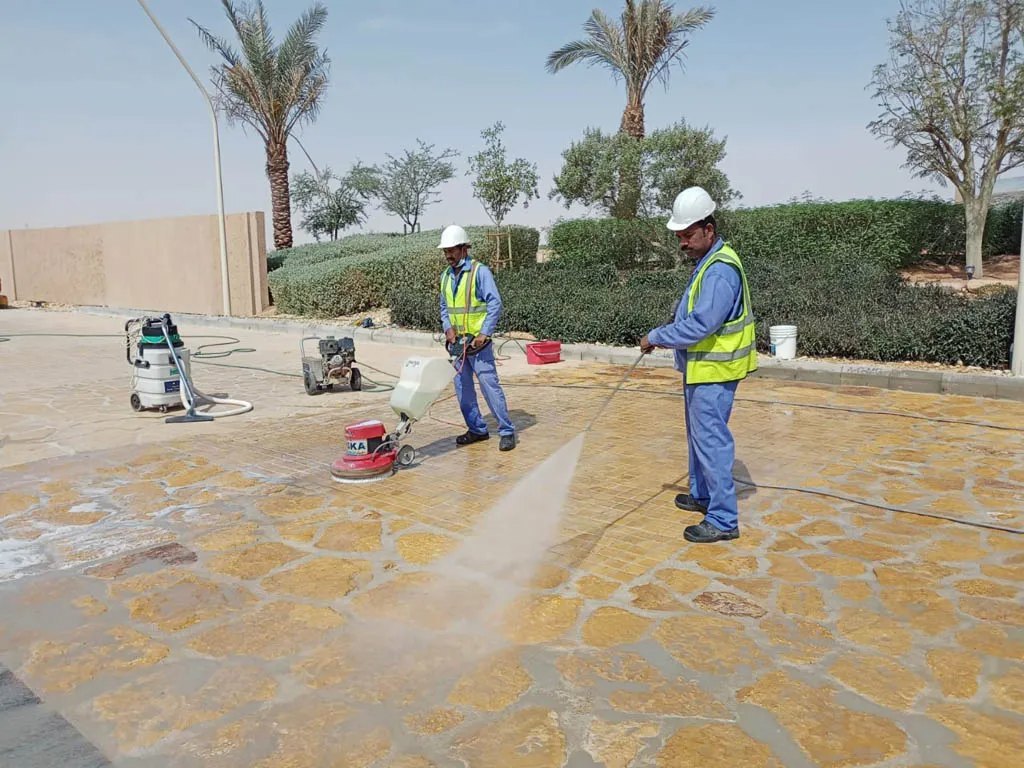
Sea spray aerosols can carry salt particles inland and deposit them on surfaces, with corrosion risk tied strongly to airborne chloride levels in coastal zones. The U.S. Federal Highway Administration notes chloride deposition as a key driver of coastal corrosion behavior in infrastructure near marine environments (FHWA, Corrosion of Reinforcing Steel and related coastal corrosion guidance). That’s bridges and rebar, sure, but the same chloride mechanism is why your window hardware gets crusty and your glass gets hazed.
The routine that actually works (not the heroic once-a-year scrub)
Look, you don’t need a 12-step ritual. You need consistency and restraint.
Step 0: Don’t grind grit into glass
Before any soap touches anything, remove loose sand and dust. Dry wiping a salty, gritty pane is basically polishing the window with beach sand. Bad trade.
Use a soft brush or a dry microfiber lightly, or better, start with a rinse.
The core sequence (simple, but done right)
- Rinse top to bottom with clean water to lift salt and dust off the surface.
- Wash with a gentle, pH-balanced solution using a microfiber sleeve or soft pad.
- Squeegee in controlled passes (overlapping slightly), then detail edges with a clean microfiber towel.
- Second rinse if needed (especially after windy days), then final buff with a dry microfiber.
Now, this won’t apply to everyone, but if your home sits right off the water, like you can smell the reef at night, skip the “one pass and done” mindset. A quick second rinse is cheaper than glass restoration.
Tools and soaps: what I’d use at my own place
Some gear is hype. Some is mandatory.
If you’re cleaning Maui windows regularly, you want tools that lift grime without dragging it.
My practical short list:
– Microfiber washer/sleeve (for lifting salt film)
– Quality squeegee with sharp rubber (replace the rubber when it starts nicking)
– Detail cloths (separate ones for frames vs glass, mixing them is how streaks happen)
– Bucket + sprayer if you’re doing a lot of panes
Soap choice (this is where people get weird)
Avoid harsh abrasives. Avoid anything that leaves a “protective shine” unless you know exactly what’s in it. Eco-friendly, biodegradable solutions can absolutely work, just don’t confuse “natural” with “won’t leave residue.”
DIY? Sure. A mild mix works:
– water + a small amount of biodegradable dish soap
– vinegar-water blend sparingly (and test first, especially around coatings and frames)
Here’s the thing: vinegar can help with minerals, but it can also annoy certain finishes and seals if overused. Use it like seasoning, not like soup.
Frames, seals, and hardware: the stuff that fails quietly
Glass is only half the story in coastal homes.
Salt loves metal fasteners, track systems, and corner joints. If you ignore those, you’ll eventually see:
– white crust buildup in tracks
– sticky sliders
– rust staining that “mysteriously” reappears
– seal shrinkage or gaps that let moisture creep in
I’m opinionated on this: spend more time on edges than you think you need. That’s where problems start.
What to inspect during a normal clean
Check quickly for:
– micro-scratches (often near where people “spot scrub”)
– seal brittleness or lifting at corners
– hardware discoloration or corrosion spotting
– mineral beads that don’t rinse clean (early warning of scale)
If you catch it early, it’s maintenance. If you catch it late, it’s repair.
A Maui-friendly maintenance schedule (realistic, not obsessive)
Some people want a perfect calendar. Maui doesn’t care about your calendar. Wind shifts, salt days happen, and rain can leave minerals behind too.
So I like a flexible structure:
– Every 1, 2 months: quick wipe-down on high-exposure panes (especially ocean-facing)
– Quarterly: full clean inside/out, frames, tracks, and a real inspection
– After storms or heavy trade winds: rinse and edge wipe (15 minutes can prevent weeks of haze)
If your windows are tinted or have decorative film, keep pressure low and avoid harsh chemicals. Tints don’t “forgive” the way plain glass does (and replacement isn’t cheap).
Quick troubleshooting for coastal window weirdness
Sometimes things look like “dirty glass” but aren’t.
Haze that won’t disappear after cleaning
Likely mineral scale or early etching. Try a dedicated, non-abrasive mineral remover formulated for glass, test a corner first.
Streaking even after squeegeeing
Usually dirty rubber, too much soap, or towel contamination from frames.
Rough-feeling spots near edges
Salt/mineral deposits building where water pools and dries. Address sooner rather than later.
Orange/brown staining around corners
Hardware corrosion run-off. Cleaning the glass won’t fix the source.
Safety, because Maui ladders + wind is a bad combo
You already know this, but people forget when they’re “just doing one window.”
Don’t clean in gusty conditions. Don’t lean on wet surfaces. Don’t use a ladder on slick stone without stabilizing it. And if you’re working on a second story with trade winds pushing? Call it.
A clean window isn’t worth a fall.
The payoff: clear views, longer window life, less surprise damage
If you keep up with salt-film removal, use gentle tools, and treat edges and hardware like first-class citizens, your windows stay clearer and last longer. That’s not marketing, that’s how coastal exposure works.
And honestly?
Waking up to a crisp Maui view through glass that doesn’t look mildly fogged is one of those small quality-of-life upgrades you notice every single day.