
In today’s fast-paced and competitive business environment, efficiency and accuracy are the cornerstones of success. Intelligent automated warehouse systems are revolutionizing how goods are stored, managed, and distributed, creating streamlined operations that drive higher productivity and customer satisfaction. By integrating advanced robotics, data analytics, and smart control technologies, these systems deliver the perfect balance between speed, precision, and flexibility.
The Power of Intelligent Automation
Automated warehouse systems go beyond traditional storage and retrieval methods. They combine artificial intelligence, machine learning, and robotics to handle repetitive tasks with unmatched efficiency. These intelligent systems ensure that every operation from inventory management to order fulfillments optimized for speed and accuracy.
Key benefits of intelligent warehouse automation include:
- Enhanced Operational Speed: Reduces delays in picking, packing, and dispatching.
- Improved Accuracy: Minimizes human errors and ensures correct order fulfillment.
- Optimized Space Utilization: Maximizes warehouse capacity through smart layout designs.
- 24/7 Productivity: Enables continuous operations without fatigue or downtime.
Through these advancements, businesses can meet growing market demands while maintaining consistent quality and reliability.
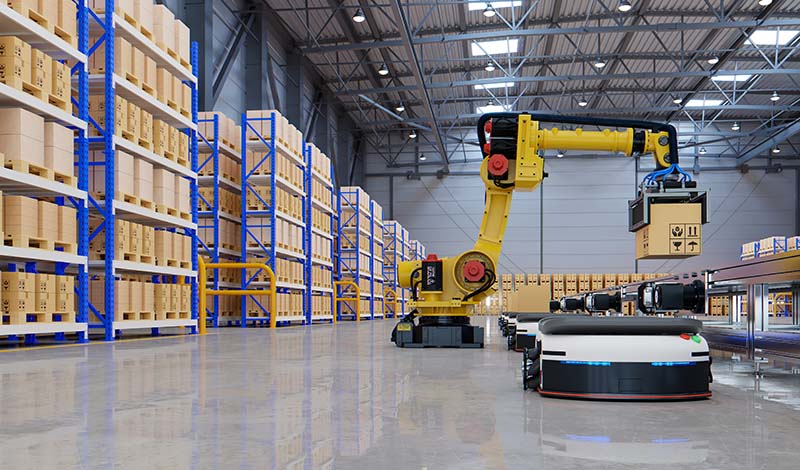
Core Components of Automated Warehouse Systems
An intelligent automated warehouse relies on an interconnected network of technologies working in harmony. These systems provide real-time visibility, control, and adaptability to every process within the warehouse.
Essential components include:
- Automated Guided Vehicles AGVs: Transport goods efficiently with precision navigation.
- Robotic Picking Systems: Enhance order accuracy through advanced vision and gripping technologies.
- Conveyor and Sorting Systems: Streamline material flow across different processing zones.
- Warehouse Management Software WMS: Coordinates data-driven decision-making and inventory control.
- Smart Sensors and IoT Devices: Enable predictive maintenance and performance monitoring.
Together, these technologies create a cohesive system that supports faster, smarter, and more reliable warehouse operations.
Applications That Transform Operations
Intelligent automated warehouses are becoming essential across multiple sectors that rely on efficient logistics and real-time supply chain management.
Common applications include:
- E-commerce Fulfillment Centers
- Retail Distribution Facilities
- Pharmaceutical and Healthcare Logistics
- Manufacturing and Assembly Support
- Cold Storage and Perishable Goods Handling
Each application showcases how automation enhances efficiency, reduces waste, and accelerates delivery timelines.
Advantages That Drive Business Growth
Adopting intelligent automated warehouse systems offers long-term value that extends far beyond operational gains.
Key advantages include:
- Scalability: Adapts easily to changing business volumes and market demands.
- Cost Efficiency: Lowers labor costs and minimizes inventory losses.
- Data-Driven Insights: Improves decision-making through real-time analytics.
- Sustainability: Reduces energy consumption and enhances resource utilization.
- Customer Satisfaction: Ensures fast and accurate deliveries every time.
These benefits highlight how automation empowers organizations to achieve greater resilience and competitiveness.
Conclusion: Shaping the Future of Warehousing
Intelligent automated warehouse system represent the future of efficient logistics and supply chain excellence. By improving speed, precision, and adaptability, these systems enable organizations to thrive in an increasingly dynamic market. Embracing automation today ensures a smarter, more sustainable, and more productive tomorrow.